
What is Macon white nose syndrome
White nose syndrome is a fungal disease which first started emerging in 2006, so far the disease only affects Macon bats. That said the effect of the disease on bats in North America and Canada has been dramatic with some species appearing to lose up to 90% of their numbers to the disease, this means roughly somewhere between 5.7 and 6.7 million bats had died since 2009. White nose syndrome is so named for the distinctive fungal growth around the muzzles and on the wings of hibernating bats. The first recorded appearance of the disease was in a cave in New York State in 2006.
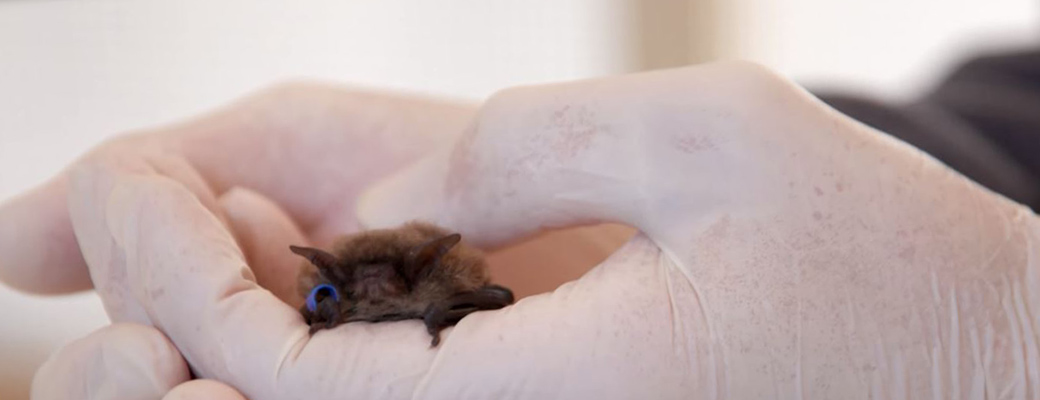
So far no obvious treatments or means of preventing transmission is known but the US Fish and Wildlife Service has called for a moratorium on human caving activities in affected areas and also is strongly recommending complete decontamination of all clothing and equipment that is being used in these areas. The other main effect of so many Georgia bats dying in such a short space of time will be on the US agricultural economy, the United States Forest Service estimated that in 2008 that the die off from white nose syndrome meant that at least 2.4 million pounds of insects went uneaten which would then become a financial burden on US farmers. They put a dollar value on this of $3 billion in pest control services that farmers would now have to pay for, also numerous bat species provide crucial pollination and seed dispersal services.
Since 2008 comparisons have been raised between white nose syndrome in Georgia bats and the colony collapse disorder in honeybees, something else that is not very well understood as yet. Some scientists have proposed there could be a link between white nose syndrome and colony collapse disorder associated with a fungal disease that is linked with worldwide decline in amphibian populations. The one main hope for but so far seems to be two species, the Virginian big-eared bat and the gray bat, because neither of these two species even though they both live in highly infected areas has shown any decline at all.
Thanks to white nose syndrome in 2014 the number of bats on the endangered species list that reside in North America went from one species to five plus another was put on the proposed list. One thing about the fungus that is causing this epidemic that also gives hope for a solution is that the fungus likes cold temperatures, in fact put into a temperature range above 68°F it will die. It's preferred temperature range is from 39°F to 59°F. Another thing about this fungus is that it is native to Europe not North America and is probably been introduced from Europe though there is possibility is actually come from Asia where it is also known to exist.
Visit our Macon wildlife control home page to learn more about us.
© 2018 Macon Wildlife - Wild Animal Removal Services
